Trail Running Gear by Distance: 21K to 100-Mile Checklist
From 1 litre of water at 21K to two headlamps at 100 miles: a mandatory gear table by distance based on VMM 2026, compared with UTMB standards, plus what's worth adding.
12.10.2026
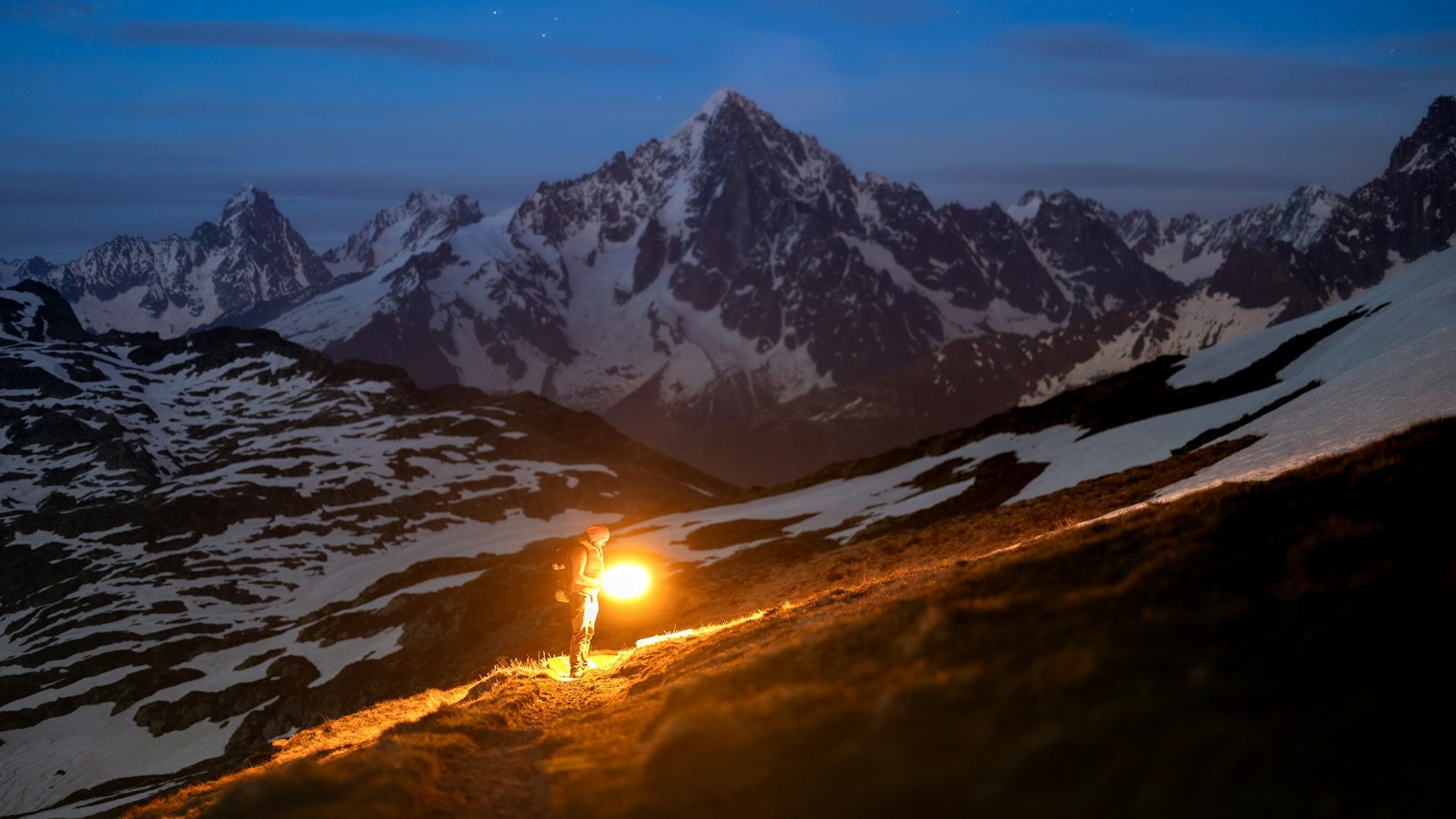
The longer the race, the longer you have to look after yourself on the mountain, so mandatory gear lists grow with distance. At Vietnam Mountain Marathon (VMM) 2026, a 21K runner already carries 1 litre of water, a hooded waterproof jacket, a phone, a whistle, food and a basic first aid kit; from 50K you add a survival blanket and a headlamp; from 100K, a second headlamp, spare batteries and a warm long-sleeve layer. Every race publishes its own list: use the table below as a starting point, and your race's rules page as the final word.
Quick summary
- 21K: 1 L of water, hooded waterproof jacket, phone, whistle, hat or buff, food, basic first aid kit.
- 50K–70K: add a survival blanket, and a headlamp becomes mandatory for everyone.
- 100K and 100 miles: a real pack or vest (not a running belt), 2 headlamps + spare batteries, a warm long-sleeve top.
- Food: VMM recommends 200 kcal for every hour you will be racing.
- Missing one mandatory item at VMM = disqualification (DSQ), even after you cross the line.
Why does mandatory gear grow with distance?
Mandatory gear is the minimum kit the organiser makes you carry for the whole race, so you can cope with an injury, a wrong turn or bad weather between two aid stations. Most 21K runners finish in daylight. A 100-mile runner will spend at least one night out, over windy summits and through forest sections that rescue teams need hours to reach.
Mountain weather in Vietnam turns fast. VMM's own equipment page warns that conditions can become wet and cold very quickly, so you must pack clothing for all conditions. The organisers are blunt about it: in the past year they disqualified runners at every one of their events for missing kit. This is not a formality.
Trail running gear checklist by distance (based on VMM 2026)
The table below follows the official VMM 2026 lists. VMM runs 10K, 21K, 50K, 70K, 100K and 100 miles; 50K and 70K share one list, and so do 100K and 100 miles.
✓ = mandatory · rec. = recommended by the organiser · – = not required
| Item | 21K | 50K | 100K | 100 miles |
|---|---|---|---|---|
| Your own race bib | ✓ | ✓ | ✓ | ✓ |
| Vest or other way to carry all kit | ✓ | ✓ | ✓ pack/vest, not a belt | ✓ pack/vest, not a belt |
| 1.0 L liquid capacity | ✓ | ✓ | ✓ | ✓ |
| Headlamp | ✓ (1) | ✓ | ✓ | ✓ |
| Spare headlamp batteries (2) | – | – | ✓ | ✓ |
| Second, backup headlamp | – | – | ✓ | ✓ |
| Hooded waterproof jacket (3) | ✓ | ✓ | ✓ | ✓ |
| Warm long-sleeve top | rec. | rec. | ✓ | ✓ |
| Charged phone on a local network | ✓ | ✓ | ✓ | ✓ |
| Survival (emergency) blanket | rec. | ✓ | ✓ | ✓ |
| Food (200 kcal per hour) | ✓ | ✓ | ✓ | ✓ |
| Hat or buff | ✓ | ✓ | ✓ | ✓ |
| Whistle | ✓ | ✓ | ✓ | ✓ |
| Basic first aid kit | ✓ | ✓ | ✓ | ✓ |
| Long tights, gloves, waterproof trousers | rec. | rec. | rec. | rec. |
| Power bank, an extra litre of water | rec. | rec. | rec. | rec. |
Notes from the VMM organisers:
- On the 21K, the headlamp is mandatory if you pass checkpoint CP M3 from 13:30, because you will still be out when it gets dark. My advice: carry one anyway. A light headlamp takes up the space of a fist.
- Rechargeable headlamps are exempt from spare batteries.
- The jacket must keep you dry in heavy rain: not a windproof shell, not a cheap thin poncho. On the 100K and 100 miles you need three top layers in total: your running top, a warm long-sleeve layer and the jacket.
And the 10K? VMM only requires your bib, 0.5 L of water and a phone; everything else is recommended.
What do international races require? The Eiger Ultra Trail by UTMB example
UTMB World Series races usually put numbers on each item. The Eiger Ultra Trail by UTMB (Switzerland) list shows the same progression:
- Short race (E16): phone, personal cup of at least 15 cl, at least 0.5 L of water, whistle.
- E35 and E51: add a running pack, 1 L of water, a survival blanket of at least 1.40 × 2 m, a self-adhesive elastic bandage of at least 100 cm × 6 cm, a food reserve (800 kcal recommended), long trousers, a cap, sunglasses, and a hooded jacket rated at least 20,000 mm waterproof.
- E101 (100K): add 2 headlamps with spare batteries or a power bank (200+ lumens recommended for the main light), a warm long-sleeve top and a cold-weather kit.
Two differences from VMM stand out: UTMB races require a personal cup, and they set the jacket's waterproof rating as a number. The VMM 2026 list has no cup, so read each race's rules before you leave yours at home. If you are aiming for a UTMB race abroad, buying gear to the UTMB standard from day one saves you buying it twice.
Distance by distance: what to carry and practical tips
21K: light but complete
One litre of water usually means two 500 ml soft flasks on the front of your vest. Plan food by time, not kilometres: if you expect to be out for 4 hours, VMM's 200 kcal per hour means 800 kcal, roughly eight 100 kcal gels (check each label), or a mix of gels, biscuits and dried banana. The survival blanket is only recommended at 21K, but it weighs next to nothing and it is what keeps you warm while you sit with a sprained ankle waiting for help.
50K–70K: some running in the dark
The headlamp and the survival blanket become mandatory. A vest of about 8–12 litres is the right size. Many runners start before sunrise or finish after dark, so charge your headlamp fully the night before. The long-sleeve top is still only recommended, but if the course crosses a high summit at dawn, I always carry one.
100K: a night out, guaranteed
This is where the list jumps: a second headlamp, spare batteries, a warm long-sleeve layer, and VMM spells out that you need a pack or vest, not a running belt or shorts with pockets. The reason is simple: you have to carry three top layers, a litre of water, food for many hours and a first aid kit. Test the full kit on a long run before race day, so you know whether the vest rubs your shoulders.
100 miles: same list, used for much longer
At VMM, 100 miles shares the 100K mandatory list, but you live with it for much longer. When marshals check your food, VMM takes into account where you are on the course, so you do not need to carry food for the whole race from the start, just enough to reach the next aid station with a margin. The recommended items become close to mandatory for you: a power bank for phone and watch, anti-chafing cream, blister plasters, poles, cash. If the race offers drop bags, leave spare batteries, socks and a dry top there.
Vietnamese races with a 100-mile distance, such as Ultra Trail Cao Bang and Dalat Ultra Trail, each publish their own list: check it against the table above before you shop. See every long race on the 80 km and over page.
Recommended gear worth carrying
VMM's recommended list is exactly what experienced runners already keep in their vest:
- Long tights or leggings, waterproof trousers, gloves.
- Sunscreen and sunglasses.
- A GPS watch with the course GPX loaded.
- Trail running poles.
- Cash.
- Anti-chafing cream, kinesiology tape or blister plasters.
- A power bank for your phone.
- An extra litre of water for long gaps between aid stations.
Need to buy something? Gear shops in Vietnam are listed on our useful links page.
How do kit checks work?
According to the VMM 2026 equipment page:
- The top 3 in each distance get a full mandatory kit inspection.
- Random checks can happen at any time, including at the start line.
- Refusing a check = DSQ, missing kit = DSQ.
- There is no kit check at bib collection, but you sign a form confirming you carry every item.
- The list can change close to race day, so read it again in the final week.
Common mandatory gear mistakes
- A token "waterproof" jacket. A wind shell or thin poncho does not meet VMM's requirement, and it will not keep you warm in rain on a summit.
- A rechargeable headlamp you forgot to charge. Rechargeables are exempt from spare batteries, but only help if they are full.
- A phone on a foreign SIM. VMM requires a phone on a local network with enough battery for the whole event; international runners need a Vietnamese SIM.
- Copying one race's list for another. Cups, blankets and 21K headlamp rules differ from race to race.
- Buying new gear in the final week. A vest, jacket or headlamp you have never run with is a recipe for chafing and frustration.
FAQ
What do I need to carry for a 21K trail race?
At VMM 2026: your bib, a vest or other way to carry your kit, 1 L of water, a hooded waterproof jacket, a phone, food, a hat or buff, a whistle and a basic first aid kit, plus a headlamp if you reach CP M3 after 13:30. Other races may differ, so read your race's page.
Is a survival blanket mandatory at every distance?
No. At VMM 2026 it is mandatory from 50K and only recommended at 21K. At the Eiger Ultra Trail by UTMB, a blanket of at least 1.40 × 2 m is mandatory from the E35.
Do I need my own cup?
It depends on the race. The Eiger Ultra Trail by UTMB requires a cup of at least 15 cl at every distance. The VMM 2026 list has no cup, but check each race's rules.
New to off-road running? Read what trail running is, then pick a race from the trail race list, for example Vietnam Mountain Marathon in Sa Pa.
Sources: VMM 2026 mandatory equipment (Vietnam Trail Series), Eiger Ultra Trail by UTMB mandatory equipment. Updated October 2026.
Keep reading

Homemade Sports Drink for Trail: Malto, Sugar, Lime, Salt
A homemade trail sports drink for 500 ml and 750 ml bottles: maltodextrin, sugar, lime and salt, building from 30 to 60 g of carbs per hour over 6 weeks.
Read →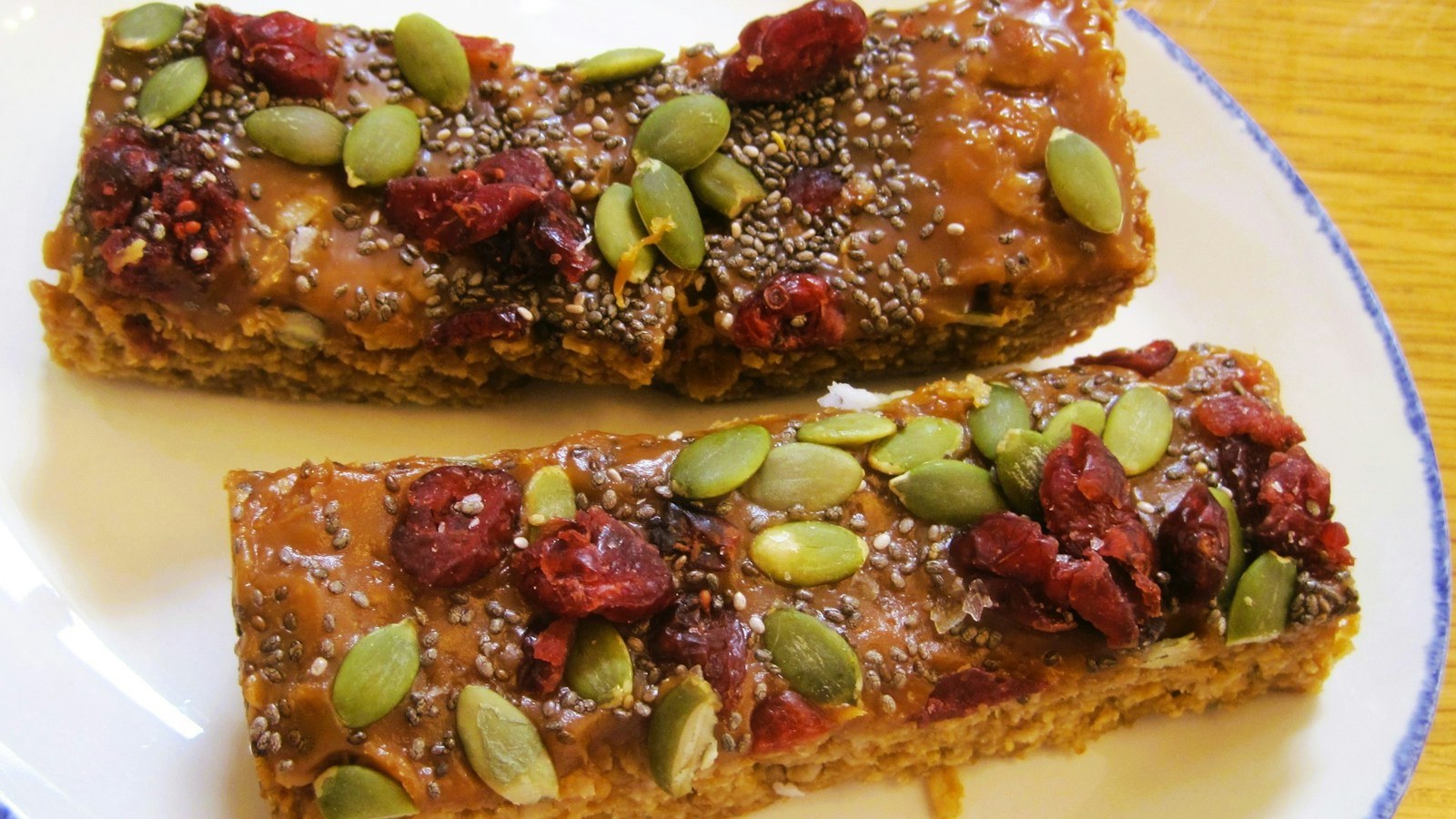
Homemade Energy Bars for Trail Running: 35 g Carbs Each
Oats, dates, honey, peanut butter and a pinch of salt: 10 bars at about 35 g of carbs each. With the maths, an hour-by-hour fueling plan and tips to keep them in the heat.
Read →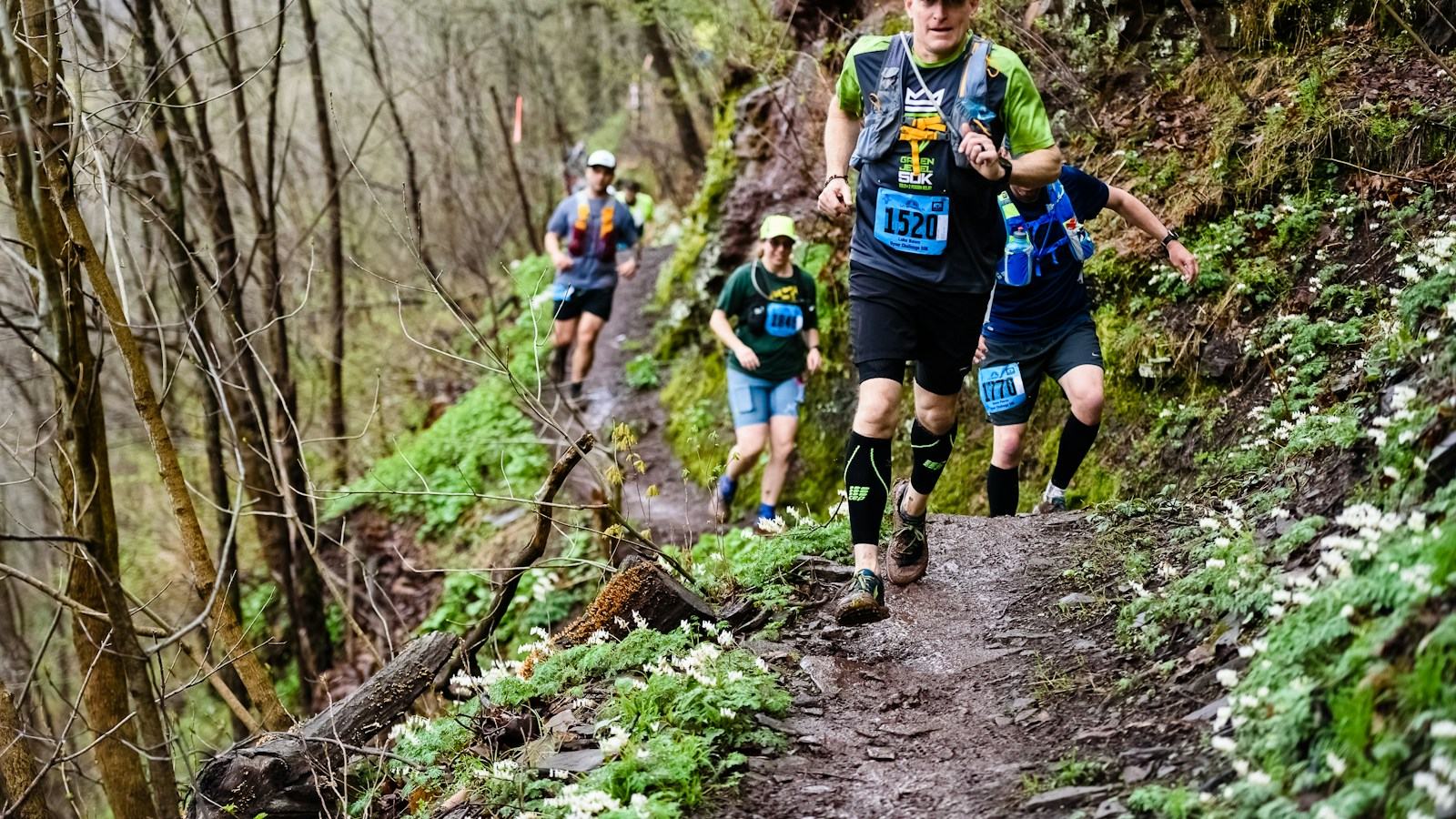
How to Get Cheaper Trail Race Entries in Vietnam
Trail race prices rise in tiers. How to pay less: register early bird, join groups like Trail Station or AR Saigon, track deadlines and read the refund rules.
Read →