Trail race distances: 10K to 100 miles, km-effort and ITRA
A 50K in Sa Pa is 15 km-effort harder than a 42K in Cao Bằng. Learn km-effort, the ITRA XXS–XXL scale and cut-offs to pick your next trail distance.
12.10.2026
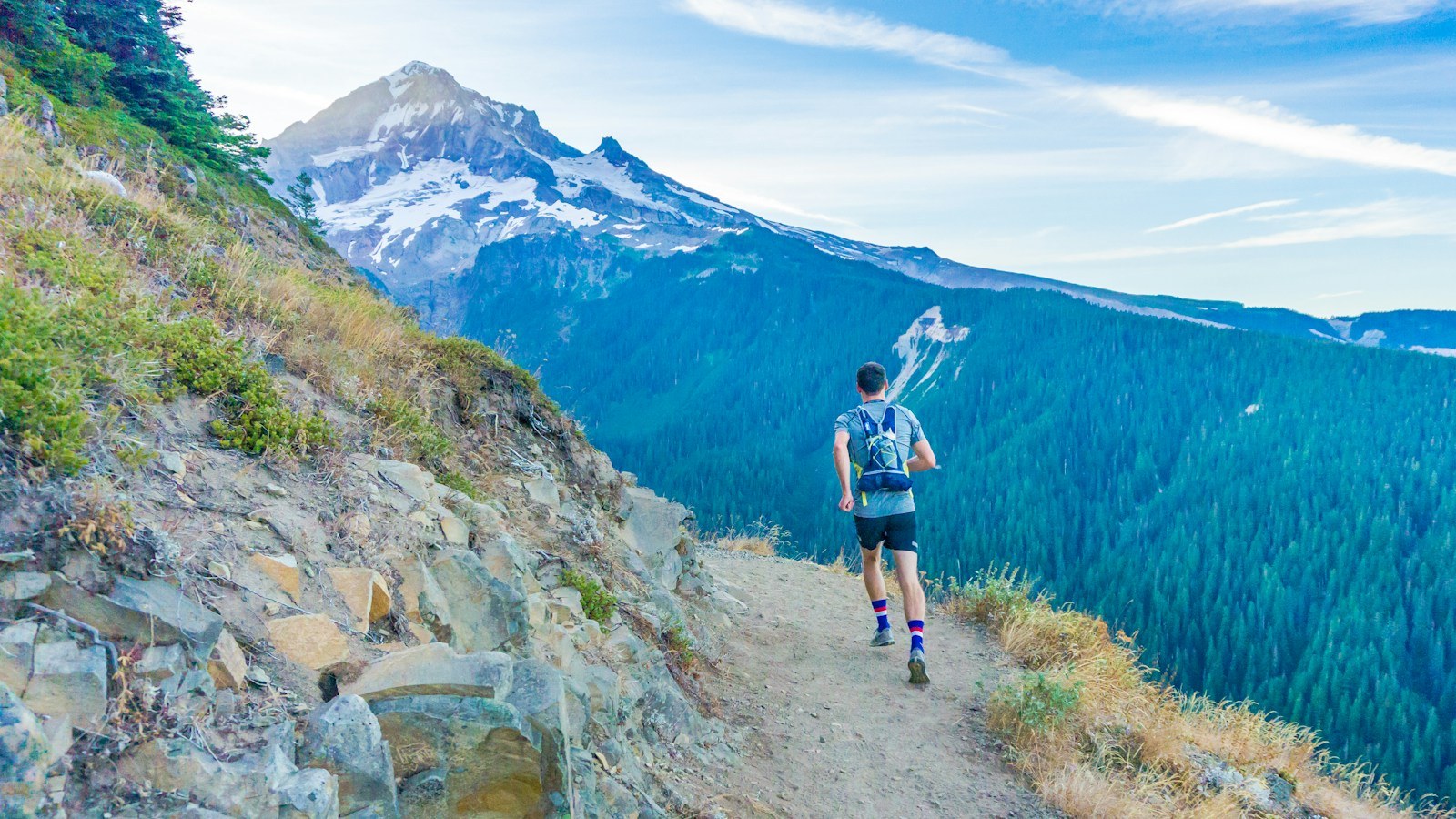
Trail race distances in Vietnam fall into four main groups: under 21K, 21–42K, 42–80K and 80K and beyond (100K, 100 miles, even 250K). But in the mountains, kilometres don't tell the whole story: a 50K with 2,800 m of climbing is far harder than a 42K with 1,800 m. The standard way to compare races is km-effort, the measure ITRA uses to sort every trail race into seven categories from XXS to XXL.
Quick summary
- Km-effort = distance in km + (elevation gain in metres ÷ 100). Every 100 m of climbing counts as one extra kilometre.
- ITRA sorts races into 7 categories: XXS (0–24 km-effort), XS (25–44), S (45–74), M (75–114), L (115–154), XL (155–209) and XXL (210 and up).
- A distance name ("50K", "100K") is a label; the real course can be several kilometres off.
- Cut-offs (time limits) at the same race can be tight on one distance and generous on another.
- Move up one step at a time: roughly one ITRA category per jump, and only after finishing the previous step with something left in the tank.
What is km-effort and how do you calculate it?
Km-effort is a measure that combines distance and climbing. According to ITRA (the International Trail Running Association), each kilometre counts as 1 km-effort and each 100 m of elevation gain (D+) adds another 1 km-effort. UTMB uses the same formula: km-effort = d + h/100, where d is the distance in km and h the total climb in metres.
Two real examples from our directory, based on the distance and D+ published by the organisers:
- Vietnam Mountain Marathon 2026, 50K: 46.7 km and 2,800 m D+, so 46.7 + 28 = about 75 km-effort.
- Ultra Trail Cao Bằng 2026, 42K: 41.2 km and 1,835 m D+, so about 60 km-effort.
On paper the two courses are only 5.5 km apart, yet the Sa Pa "50K" is about 15 km-effort harder than the Cao Bằng "42K", the equivalent of 15 extra flat kilometres. Race pages on Chạy Địa Hình show the km-effort ("km-e") next to each distance whenever the D+ is known, so you can compare at a glance.
Km-effort doesn't capture everything: rocks, roots, mud, altitude and heat all make a course harder than its number. But for comparing two races, it beats looking at kilometres alone by a wide margin.
The ITRA scale from XXS to XXL: what does each category mean?
ITRA places every race in one of seven categories by km-effort, each worth 0 to 6 ITRA points. The table below uses examples from races in our directory:
| Category | Km-effort | ITRA points | Examples in Vietnam (km-effort) |
|---|---|---|---|
| XXS | 0–24 | 0 | VMM 10K (16), Lamdong Trail 15K (20) |
| XS | 25–44 | 1 | VMM 21K (31), Cao Bằng 25K (37) |
| S | 45–74 | 2 | Cao Bằng 42K (60) |
| M | 75–114 | 3 | VMM 50K (75), Vietnam Highlands Trail 50K (86), Cao Bằng 70K (100) |
| L | 115–154 | 4 | Lamdong Trail 85K (125), Prenn Trail Summit 103K (148) |
| XL | 155–209 | 5 | VMM 100K (156), Cao Bằng 100K (161) |
| XXL | 210+ | 6 | VMM 100M (249), Cao Bằng 160K (250), Prenn 250K (367) |
Two things worth noticing:
- A threshold can flip the category. The VMM 50K sits right on the M threshold (75): less than 100 m of climbing fewer and it would drop to S.
- Different names, same category. The VMM 50K (75) and the Cao Bằng 70K (100) are both category M even though they are 20 km apart on paper.
The UTMB World Series groups races differently, into four categories: 20K, 50K, 100K and 100M. According to UTMB, the 50K category covers 50–100 km-effort, 100K is above 100 km-effort and 100M is above 170 km-effort. That is why the "50K" at Vietnam Highlands Trail, a UTMB World Series event, actually measures 56.4 km.
Each distance group: who is it for, and what are the cut-offs?
A cut-off is the time at which the course closes: miss it at a checkpoint or at the finish and your race is over. The cut-off table for Ultra Trail Cao Bằng 2026 shows that time limits do not scale neatly with distance:
| Distance | Km-effort | Cut-off | Minimum km-effort per hour |
|---|---|---|---|
| 10K | 16 | 9 hours | about 1.8 |
| 25K | 37 | 10 hours | about 3.7 |
| 42K | 60 | 14 hours | about 4.3 |
| 70K | 100 | 16 hours | about 6.3 |
| 100K | 161 | 27 hours | about 6.0 |
| 160K | 250 | 51 hours | about 4.9 |
At this race, the 70K, not the 160K, has the tightest cut-off relative to its difficulty. Always divide the km-effort of your target race by its cut-off in hours, and compare the result with your own pace on long training runs. On top of the finish cut-off, there are intermediate cut-offs at checkpoints along the course (Cao Bằng will publish them later): those are the times you really need to watch.
Under 21K: getting used to the mountains
Category XXS, sometimes XS. Ideal if you're coming over from road running or want to run fast on trails. You learn to power-hike the climbs, descend safely, and you usually don't need much mandatory gear yet. Browse trail races under 21K.
21–42K: half a day to a full day out there
Categories XS to S. This is where fuelling starts to matter: running four hours or more without eating leaves you empty. A 42K trail marathon usually takes much longer than your road marathon, depending on D+ and terrain. Browse trail races from 21K to 42K.
42–80K: your first ultra
Categories S to M, sometimes L. Anything longer than 42.195 km is an ultra, and this is where many runners spend their first day on the mountain from dawn to dark. You'll need a hydration vest, a headlamp with spare batteries, a rain jacket and the experience to look after yourself between aid stations. Browse trail races from 42K to 80K.
80K and beyond: 100K, 100 miles and further
Categories L to XXL. A 100K usually means a night on the mountain; 100 miles (about 160 km) usually means two, as the 51-hour cut-off at Cao Bằng shows. Sleep deprivation, cold on the summits, your stomach and your head decide more than your legs. Vietnam even has a 250K at Prenn Trail Summit. Browse trail races of 80K and more.
How do you progress from one distance to the next?
There is no single formula for every body, but a sensible path looks like this:
- 10–15K (XXS): get used to climbs, trail shoes, and the walk-run rhythm.
- 21–25K (XS): practise eating on the move and running with a vest.
- 42K (S): your first near-full day in the mountains.
- 50–70K (M): your first ultra, possibly with some running after dark.
- 85–100K (L–XL): one night on the mountain.
- 100 miles (XXL): two nights, and sleep management.
The rule I usually give friends: move up roughly one ITRA category at a time, and only once you've finished the previous step with energy to spare, not scraping in just ahead of the cut-off. Between two big steps, give your body at least a few months of training with long runs on terrain similar to the race. For the longest distances, check the entry requirements carefully: to enter the UTMB lottery in Chamonix, for example, you need a valid UTMB Index in the 100K or 100M category.
Common mistakes when choosing a distance
- Comparing kilometres and forgetting D+. Always look at km-effort, then at the elevation profile.
- Only reading the finish cut-off. A checkpoint cut-off ends your race just as surely as the finish one.
- Skipping steps, jumping from a 21K to a 100K because friends signed up.
- Trusting the distance name. A "50K" can be 46.7 km or 56.4 km depending on the race.
- Forgetting Vietnam's climate: heat and humidity in the south, cold nights in Sa Pa or Cao Bằng make the same km-effort much harder.
Just starting out? Read what trail running is and how to pick your first race, then filter by distance in the trail race directory.
Frequently asked questions
How long does a race have to be to count as an ultra trail?
Any race longer than a marathon (42.195 km) is an ultra. In trail running, people usually talk about ultras from 50K upwards.
How much km-effort counts as hard?
On the ITRA scale, from 75 km-effort (category M) you are firmly in ultra territory; from 155 (XL), most runners will be out through the night.
Which trail distance should a beginner choose?
A race under 21K, category XXS, with moderate D+ and a generous cut-off. Once you finish it comfortably, move up to 21–25K.
Sources: ITRA, race score and km-effort; UTMB World Series, sports system; Campus Coach, trail categories XXS–XXL; Race Jungle, Ultra Trail Cao Bằng 2026 (cut-offs); distances and D+ from Chạy Địa Hình race pages. Updated October 2026.
Keep reading

Homemade Sports Drink for Trail: Malto, Sugar, Lime, Salt
A homemade trail sports drink for 500 ml and 750 ml bottles: maltodextrin, sugar, lime and salt, building from 30 to 60 g of carbs per hour over 6 weeks.
Read →
Trail Running Gear by Distance: 21K to 100-Mile Checklist
From 1 litre of water at 21K to two headlamps at 100 miles: a mandatory gear table by distance based on VMM 2026, compared with UTMB standards, plus what's worth adding.
Read →
Homemade Energy Bars for Trail Running: 35 g Carbs Each
Oats, dates, honey, peanut butter and a pinch of salt: 10 bars at about 35 g of carbs each. With the maths, an hour-by-hour fueling plan and tips to keep them in the heat.
Read →