Trail Running Nutrition Per Hour: Carbs, Water, Sodium
30, 60 or 90 g of carbs an hour? A clear table of carbs, fluid, sodium and caffeine for trail runs, tuned for Vietnam's heat, plus a sweat test and gut training plan.
12.10.2026
On a trail run longer than 90 minutes, most runners need about 30–60 g of carbs, 450–750 ml of fluid and 300–600 mg of sodium per hour (the top of the sodium range in heat and humidity). Runners who have trained their gut can push to 90 g of carbs per hour with a glucose + fructose mix; caffeine is optional. Your own numbers depend on the weather, how long you are out, how hard you run and whether your stomach is trained.
This guide turns the main sports-science recommendations (ISSN, ACSM, Asker Jeukendrup) into one usable table, then adjusts it for Vietnam's hot, humid trails.
Quick summary
- Under 1 hour: water is enough, no food needed.
- 1–2.5 hours: 30–60 g of carbs per hour.
- Over 2.5 hours: 30–60 g/h, up to 60–90 g if your gut is trained and you use glucose + fructose.
- Fluid: 450–750 ml/h (about 150–250 ml every 20 minutes), the upper end in heat.
- Sodium: 500–700 mg per litre of drink, roughly 300–600 mg/h in hot, humid conditions.
- Caffeine: optional; 3 mg/kg is the low end of the effective range. Test it first.
- Gut training: build from 30 → 45 → 60 g/h over the 6 weeks before your race.
How many carbs, how much water and salt per hour?
| Time on feet | Carbs per hour | Fluid per hour | Sodium per hour | Notes |
|---|---|---|---|---|
| Under 1 h | 0 g | to thirst | not needed | Your last meal covers it |
| 1–2.5 h (10–21K) | 30–60 g | 450–750 ml | 300–600 mg if hot | Electrolyte drink or gels |
| 2.5–6 h (21–42K) | 30–60 g, up to 90 g if trained | 450–750 ml | 300–600 mg | Glucose + fructose above 60 g |
| Ultra (6 h +) | 30–60 g, plus real food | 450–750 ml | 300–600 mg | 150–400 kcal/h per ISSN |
Treat this as a starting point, not a rule. A 50 kg runner on an early-morning loop in Da Lat and an 80 kg runner climbing Nui Dinh at noon need very different amounts of water.
Carbs: 30, 60 or 90 g per hour?
Carbohydrate is your main fuel on long efforts. Glycogen stores in muscle and liver are limited, so after about 90 minutes, topping up keeps your pace steady and your head clear on technical ground.
- 30–60 g/h is the classic ACSM guideline for prolonged endurance exercise, as Asker Jeukendrup recaps in his review for the Gatorade Sports Science Institute (GSSI).
- 30–50 g/h (within 150–400 kcal/h) is what the International Society of Sports Nutrition (ISSN) recommends in its 2019 position stand on ultra-marathon: ultras are slow, and stomachs rebel.
- Up to 90 g/h for efforts over 2.5 hours, per Jeukendrup, but only with a glucose (or maltodextrin) and fructose mix at roughly 2:1. Glucose is absorbed through one transporter (SGLT1) that saturates around 60 g/h; fructose uses another (GLUT5), so the mix lets you absorb more.
What does 30 g of carbs look like?
- One energy gel: usually 20–30 g (check the label, brands differ).
- One medium banana: about 25 g.
- 500 ml of a 6% homemade drink: 30 g.
- Biscuits, sweets or rice balls at aid stations: read the label or estimate, and test them before race day.
The veteran's trick: little and often. A few bites every 20–30 minutes sit far better than one big hit per hour. Set a watch alert if you tend to forget.
Fluid: how many ml per hour is enough?
The ISSN recommends 450–750 ml per hour during ultras, about 150–250 ml every 20 minutes. The upper end is for heat, humidity, bigger runners and heavy sweaters.
The ACSM goal (2007 position stand) is simple: don't lose more than 2% of body weight to dehydration, and don't drink so much that you gain weight during the run.
Measure your own sweat rate
- Use the toilet, then weigh yourself (minimal clothing) before a 60-minute run at race effort.
- Note how much you drink during the run.
- Towel off and weigh yourself straight after.
- Sweat per hour = kg lost + litres drunk.
Example: you weigh 60 kg, lose 0.8 kg and drank 0.5 L → you sweat about 1.3 L per hour. You don't need to replace 100% (your gut couldn't anyway), but it tells you whether you are a "500 ml" or a "750 ml" runner. At 60 kg, 2% is 1.2 kg: that's the most you should aim to lose.
Do the test twice, once on a cool morning and once at hot midday. In southern Vietnam the gap can be huge.
Salt and electrolytes: sodium matters most
Sodium is the electrolyte you lose most in sweat. The ISSN recommends race drinks with 500–700 mg of sodium per litre, and roughly 300–600 mg of sodium per hour in hot or humid conditions. Many commercial products contain less, so read the label.
Signs you are a salty sweater: white salt streaks on your shirt, cap or vest straps, and sweat that stings your eyes. You belong at the top of the range.
Sodium sources on the trail:
- A bought electrolyte drink, or a homemade sports drink with lemon and salt.
- Salt or electrolyte capsules (check the mg of sodium on the label).
- Gels with added sodium.
- Salty food at aid stations, if they have it.
Watch out for hyponatraemia: drinking large amounts of plain water for hours can drop your blood sodium, which is more dangerous than mild dehydration. Warning signs: nausea, headache, swollen hands, confusion, and gaining weight during the run. More water is not always better.
Caffeine: should you use it on the trail?
Caffeine is optional. The ISSN position stand on caffeine (2021) concludes that 3–6 mg per kg of body weight reliably improves endurance performance, though the effect varies between people. For a 60 kg runner, 3 mg/kg is 180 mg.
For long trail races, the ISSN (2019) suggests strategic use late in the race, including repeated small doses of 1–2 mg/kg. In practice:
- Save caffeine for the second half or the night section.
- Use caffeinated gels with a stated mg dose rather than guessing what is in a cup of coffee.
- Skip it if you are caffeine-sensitive, have a heart condition, or finish close to bedtime.
- Try it on a long training run first, never for the first time on race day.
How heat, duration and intensity change your needs
Heat and humidity
Heat increases sweat losses, so fluid and sodium move to the top of the range. At the same time blood is diverted to the skin to dump heat, and your stomach usually tolerates food less well. At trail races in southern Vietnam or on exposed valley sections at midday, favour liquid carbs (electrolyte drink, gels) over dry food, and sip steadily instead of chugging at the aid station.
Based in Ho Chi Minh City? The trail routes near the city, such as Nui Dinh or Ba Den mountain, are good places to practise fuelling in the heat.
Duration
- Under 1 hour: no food needed.
- 1–3 hours: electrolyte drink and gels are enough.
- Over 4–5 hours: real food (banana, bread, rice balls) beats sugar fatigue, and salty flavours become very appealing once you have sweated a lot.
Intensity
Running fast on flat ground, your gut only accepts liquids. Slow climbing and poling is the best time to eat solids. Tip: eat at the bottom of a climb, never right before a technical descent.
Cold and night running
In Sa Pa, Da Lat or at night you feel less thirsty but still need carbs. Many runners stop eating because they are not hungry, then bonk before dawn. Eat by the clock, not by hunger.
Train your gut: never try it first on race day
In his review "Training the Gut for Athletes" (Sports Medicine, 2017), Asker Jeukendrup shows that gastric emptying and stomach comfort during exercise can be trained, and that intestinal absorption adapts to what you eat. The ISSN also supports progressive gut training for runners prone to stomach problems.
The simplest approach, starting 6–8 weeks before your race:
- Weeks 1–2: 30 g carbs/h on long runs over 90 minutes.
- Weeks 3–4: 45 g/h.
- Weeks 5–6: 60 g/h, using the exact gels, drink and food you will race with.
- Bloating, reflux, cramps or diarrhoea: stay at the previous level for another week.
The drink recipe for each stage (grams of maltodextrin, sugar, salt and lemon for 500 ml and 750 ml bottles) is in our homemade trail sports drink guide. Pick your goal race from the trail race list and count back 6 weeks.
Example: an hourly plan for two runners
Lan, 55 kg, 21K trail, about 3.5 hours, hot race in the south:
- Every hour: 500–600 ml of a 6% electrolyte drink (30–36 g carbs, about 300 mg sodium).
- Hours 2 and 3: add a 20–25 g gel, for about 50–60 g/h in total.
- No caffeine, she's sensitive to it.
Minh, 70 kg, 42K trail, about 7 hours, 4 a.m. start:
- Every hour: about 750 ml, of which 500 ml electrolyte drink; 60 g carbs from drink, gels and a banana or rice ball at aid stations.
- 400–600 mg sodium/h once the sun is up after 9 a.m.
- From hour 5: a 50–100 mg caffeine gel every 1.5–2 hours (about 1–1.5 mg/kg each).
These are illustrations: adjust them to your own sweat test and training runs.
Common mistakes
- Plain water only for 5–6 hours: no carbs, no sodium.
- Catching up in one go at an aid station instead of eating little and often.
- Switching to a new gel on race day because it was handed out at the expo.
- Drinking extra "just in case": gaining weight during a race is a red flag.
- Skipping food in hour one because you feel fresh, then fading from hour three.
Need gels, electrolyte capsules or a hydration vest? See the trail gear shops. New to the sport? Start with what trail running is.
This guide is general information for healthy runners. If you have a heart, kidney or blood-pressure condition, diabetes, or take regular medication, talk to your doctor before changing your salt, sugar or caffeine intake.
Sources: ISSN – nutrition for ultra-marathon (Tiller et al., 2019), ACSM – exercise and fluid replacement (2007), GSSI – Jeukendrup, multiple transportable carbohydrates, Jeukendrup – Training the Gut for Athletes (2017), ISSN – caffeine and exercise performance (Guest et al., 2021). Updated October 2026.
Keep reading
Homemade Sports Drink for Trail: Malto, Sugar, Lime, Salt
A homemade trail sports drink for 500 ml and 750 ml bottles: maltodextrin, sugar, lime and salt, building from 30 to 60 g of carbs per hour over 6 weeks.
Read →
Trail Running Gear by Distance: 21K to 100-Mile Checklist
From 1 litre of water at 21K to two headlamps at 100 miles: a mandatory gear table by distance based on VMM 2026, compared with UTMB standards, plus what's worth adding.
Read →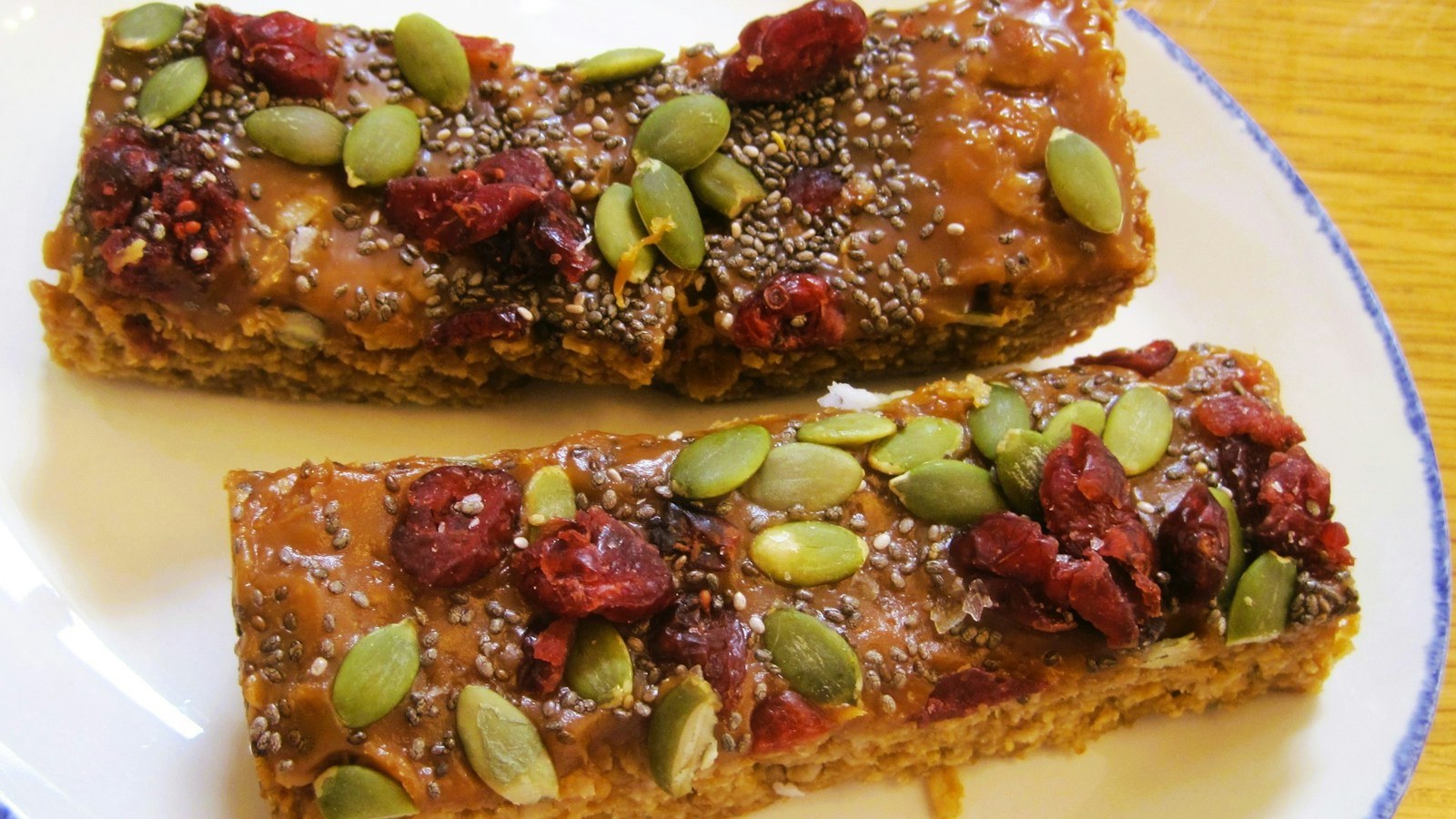
Homemade Energy Bars for Trail Running: 35 g Carbs Each
Oats, dates, honey, peanut butter and a pinch of salt: 10 bars at about 35 g of carbs each. With the maths, an hour-by-hour fueling plan and tips to keep them in the heat.
Read →